A longevity suite that took more than 3 years to open, just to get the location right
 Avely Marjapuu3 things to play with
The Longevity Suite’s first clinic in Asia is set to open in Singapore in late 2026. Instead of waiting for opening day, they’re building the community first. People mingle, step onto a body scanner and talk to each other. By the time the doors open, the room won’t be empty.
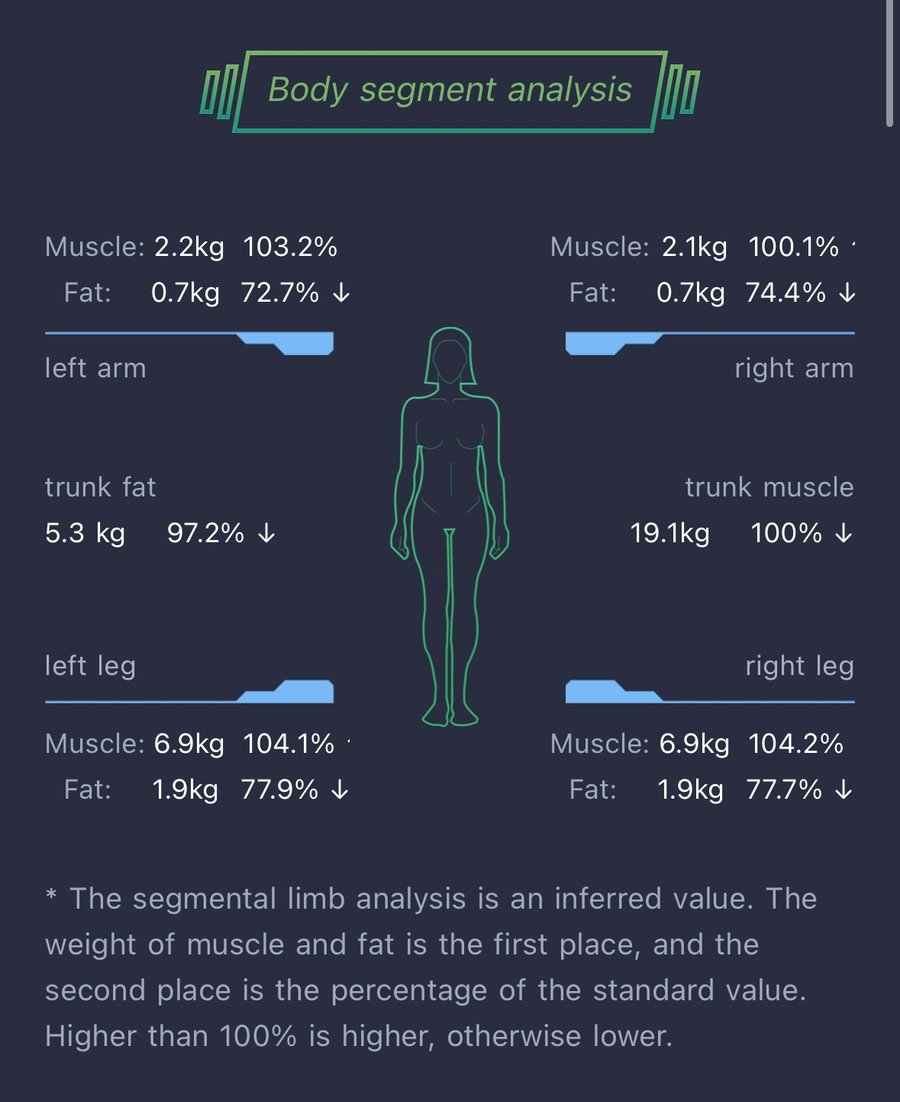
What the body scanner measures
The scanner at the event uses bioelectrical impedance analysis (BIA). You stand barefoot on metal plates and hold two handles, and it sends a small, painless electrical current through your body. Muscle contains a lot of water, which lets electricity pass through it easily, while fat resists the flow. Based on this difference, along with your height, weight, age and sex, the device estimates how much muscle, fat and water your body contains.
The key word here is estimates. Since the scan was done at an event, the results may not be very accurate. Still, it will be interesting to compare them with my next scan and see how they differ.
Tick the conditions below to see what needs to stay the same for two scans to be compared fairly.
Tap the conditions you’d keep the same for your next scan.
At the event, I got to try a supplement drink
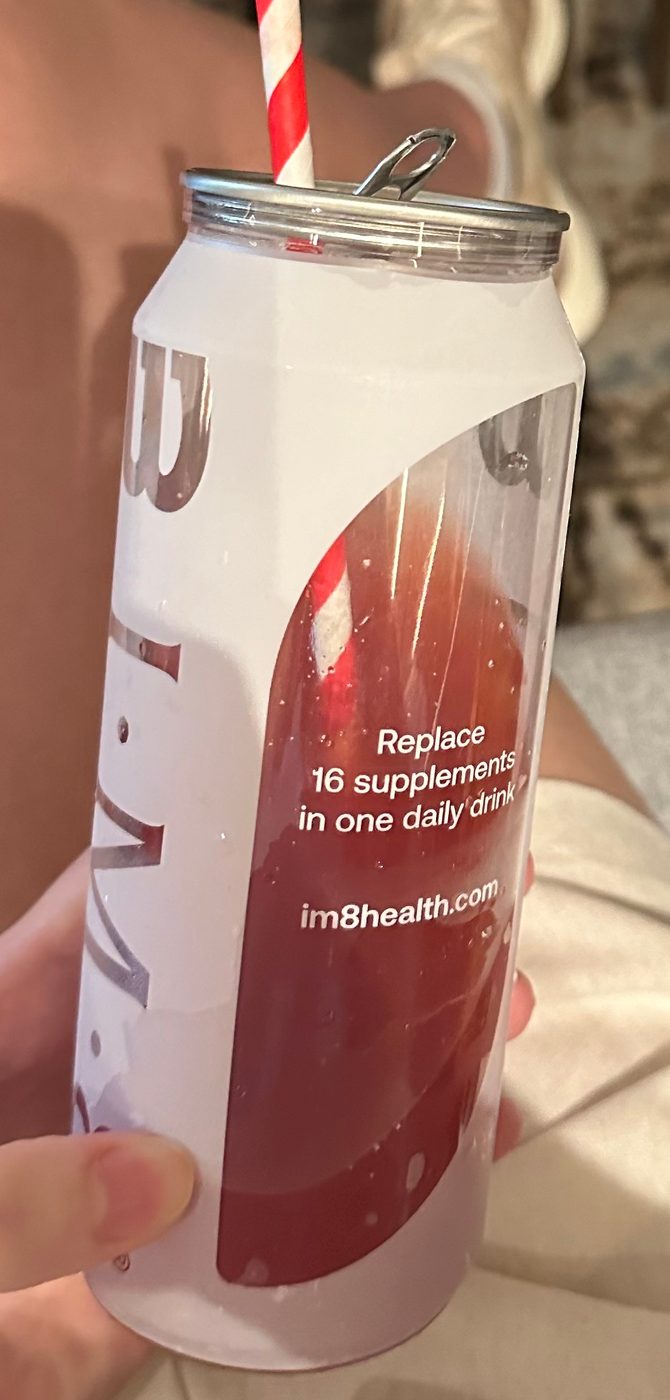
The can promised: “Replace 16 supplements in one daily drink.” It tasted good. But because I work on measurement, my first question was: how would you know whether that particular combination of supplements actually works?
One thing I’ve learned from Prof. Brian Kennedy is that it’s already hard to measure whether a single supplement works. When you mix 16 of them, it gets even harder. Some might work better together, some might do nothing and others might cancel each other out. So how can we tell what’s actually working?
A single test is just a snapshot. Tracking trends over time gives far more insight.
Move the slider up to 16 to see how quickly the number of possible combinations grows.
With 16 different supplements, there are 65,535 possible combinations. That’s before we even start changing the doses.
It’s a bit like the challenge Alan Turing and his fellow codebreakers faced with the Enigma machine: too many possibilities to test one by one. You need a smarter approach. And that’s why testing every possible supplement combination in a clinical trial isn’t realistic.
So what’s the alternative?
One approach is to test the complete drink against a placebo in a well-designed clinical trial, measuring a health outcome that actually matters. That can tell you whether the blend, as a whole, produces a measurable benefit compared with placebo.
But it can’t tell you which ingredient is responsible, which ingredients contribute nothing, or whether some are cancelling each other out.
Back to basics
Prof. Andrea Maier, whose NUS Healthy Longevity Talent Incubator I took part in, put it well: “Public enthusiasm has outpaced scientific validation.” She also points out that the interventions with the strongest evidence, such as physical activity, nutrition, sleep and vaccination, are among the cheapest.
Talks people want to come back for
Speakers, a morning programme and time to mingle. Nobody is selling yet; people are meeting each other.
It took more than three years for The Longevity Suite to find the right home, and the room was already full before the doors even opened. In a world where it’s easy to get caught up in the latest diagnostic tools and technology, it’s beautiful to see a return to the basics: community, human connection and putting people first.
Clear measurements, community and awareness bring longevity together. At its heart, it’s about helping people feel and become their best. Looking forward to the official opening of Longevity Suite Singapore and seeing the beautifully designed clinic come to life!